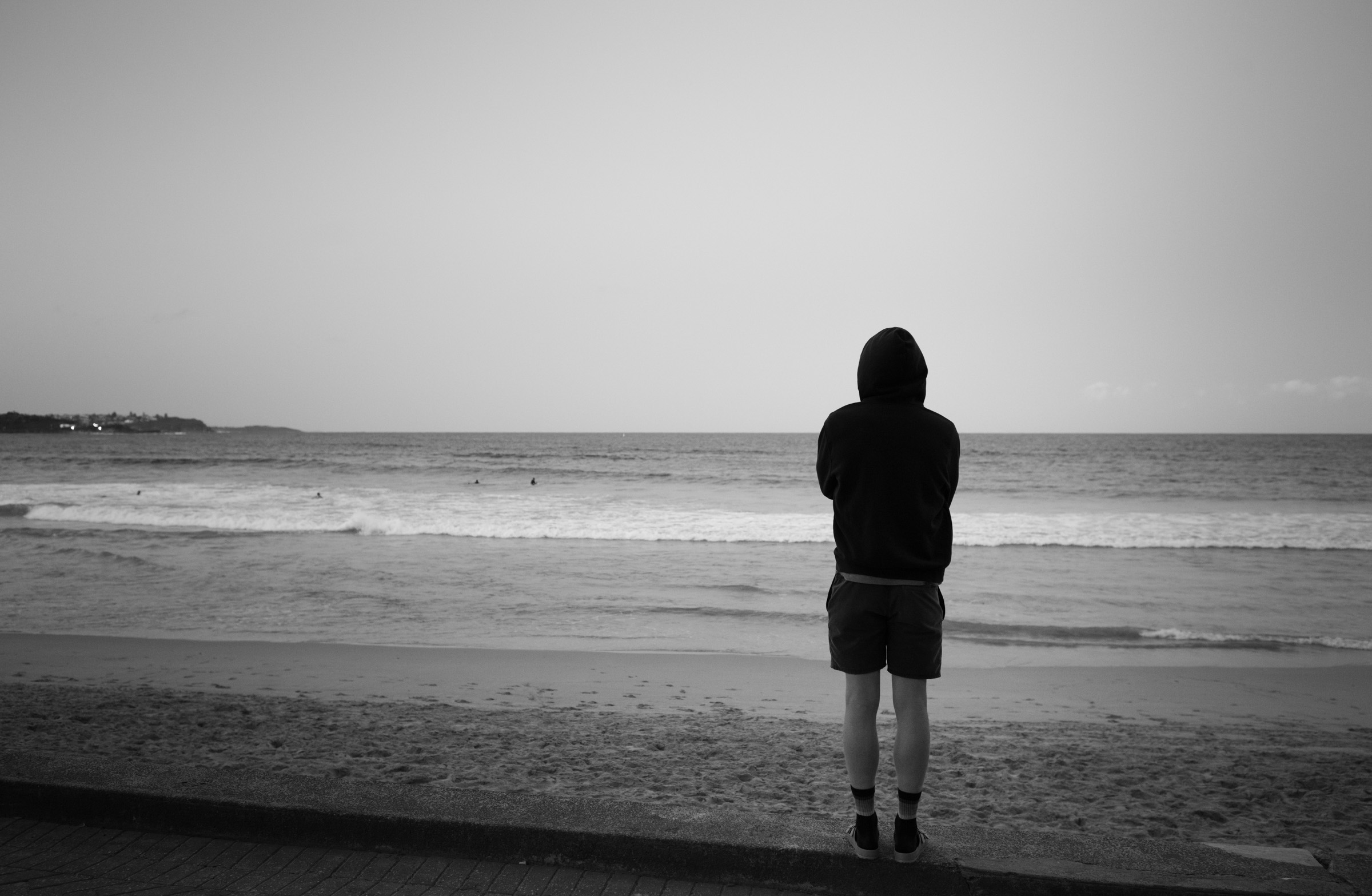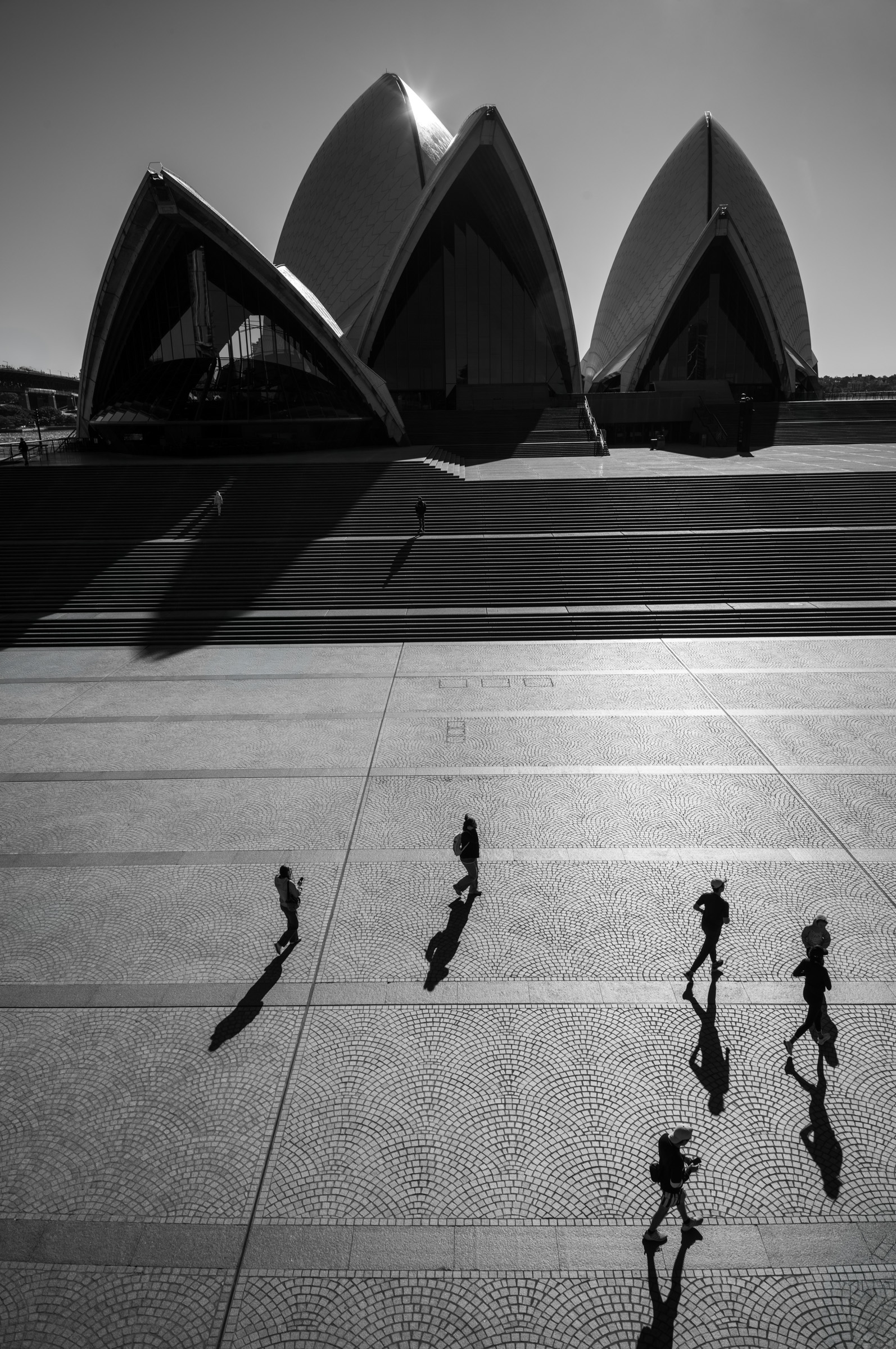
This year photography turns two hundred years old. Its first image took roughly eight hours to expose — no instant, no click, nothing resembling a capture.
There is no capture.
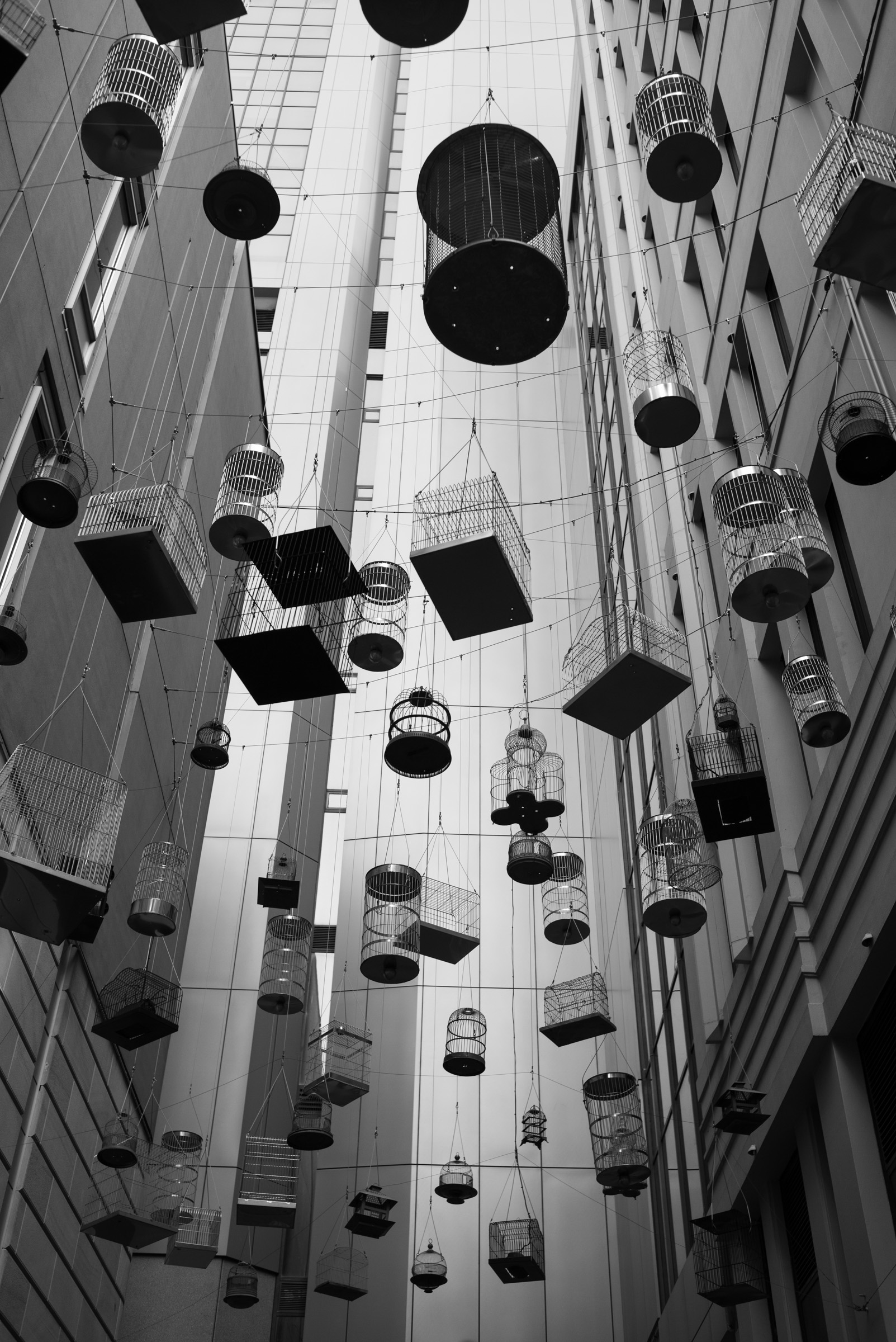
Every photograph you have ever seen — mine included — was made, not taken. Not recorded. Before a single technical choice, there was the choice of what to photograph at all — and everything that decision left out of frame. That’s a manipulation too, and one that applies even to a photojournalist bound by every rule of the profession: point the camera here, not there, and the world outside the frame simply doesn’t exist for the viewer. Then the lens was a choice. The aperture was a choice. Film stock or sensor, a choice. Black and white over colour, a choice. Filter, developer, exposure, framing, crop — choice after choice, stacked from the moment before the shutter fired to the moment the print left the tray. “Capture” implies a reality sitting still, waiting to be taken. That reality never existed. There was only ever the decision of what image to make from what was in front of you.
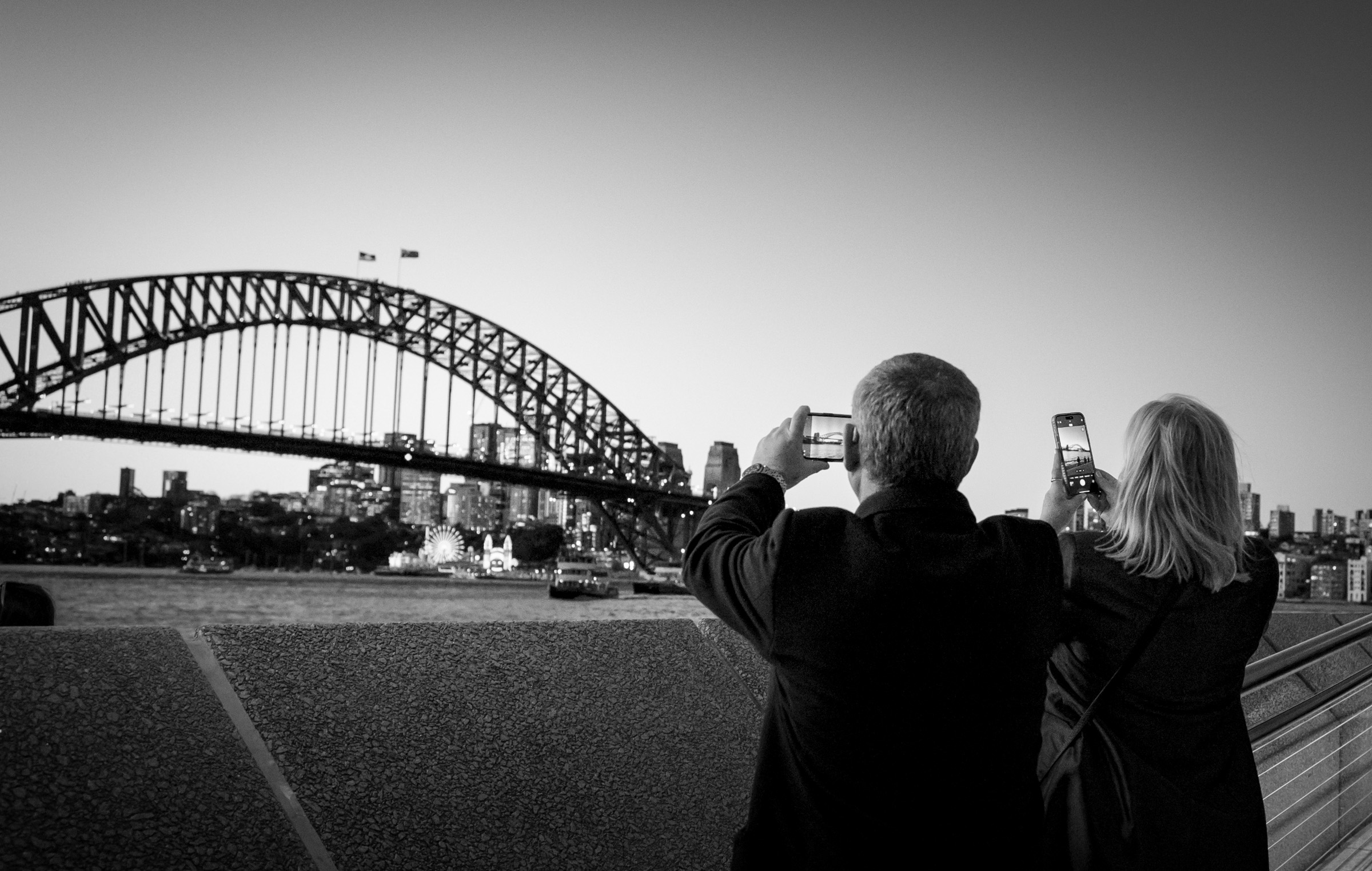
I want to be precise about where this does and doesn’t apply. News images are a different category, and they should be held to a different standard — a photograph presented as evidence of a real event carries an obligation to that event. But that obligation isn’t objectivity, whatever news photographers like to tell themselves. What to point the camera at, what to leave outside the frame, which of ten thousand possible moments to release the shutter on — those are already a point of view, dressed up as truth. The obligation is not to fabricate the event. It was never an obligation to be neutral about it, and no news image ever has been. This is about creative photography, though, not press ethics: image-making as expression, not image-making as testimony. Conflating the two is how the industry talked itself into a corner.
That distinction has collapsed almost entirely in how street photography talks about itself. Its anti-manipulation standards are borrowed wholesale from photojournalism — bodies like the National Press Photographers Association state their goal as “the faithful and comprehensive depiction” of real public events, and their competition rules now hold that the content of an image “is locked at the moment it is recorded,” generative AI banned outright. That’s a defensible standard for an organisation whose entire purpose is evidentiary. It is not a defensible standard for a photographer working a street corner with no obligation to anyone’s record of events.
Street photography borrows its authority from Henri Cartier-Bresson, and the decisive moment was never a journalistic principle. It was geometry — the instant when form and content resolve into something inevitable. Cartier-Bresson wasn’t policing truth. He was describing composition happening at the speed of a shutter.
And even he didn’t get it right in camera. Behind the Gare Saint-Lazare — arguably the most famous street photograph ever taken, the image the whole decisive-moment mythology rests on — was shot blind. A fence blocked his viewfinder; he squeezed the lens through a gap in the planks and photographed a scene he couldn’t actually see. When he developed the negative, a chunk of fence plank cut across the left edge of the frame. He cropped it out — one of only two photographs he ever admitted to cropping in his career, in direct violation of the rule he spent that career preaching. The most iconic decisive moment in the history of the medium wasn’t decided in the moment at all. It was decided afterward, in the crop.
Somewhere along the way, street photography kept his eye and inherited a press agency’s ethics code along with it — forgetting that the man who defined the genre broke that exact code to make its founding image.
Because here’s where it’s landed: an obsession with the unmanipulated image, worn as a virtue in itself — and now, with AI in the mix, that obsession has gone intergalactic. Careers are built on the performance of restraint. Shot “right in camera.” The minimal edit. The refusal to touch what the sensor recorded, as if restraint were more honest — as if there were ever a version of the photograph that hadn’t already been shaped a hundred times over before anyone opened an editing tool.
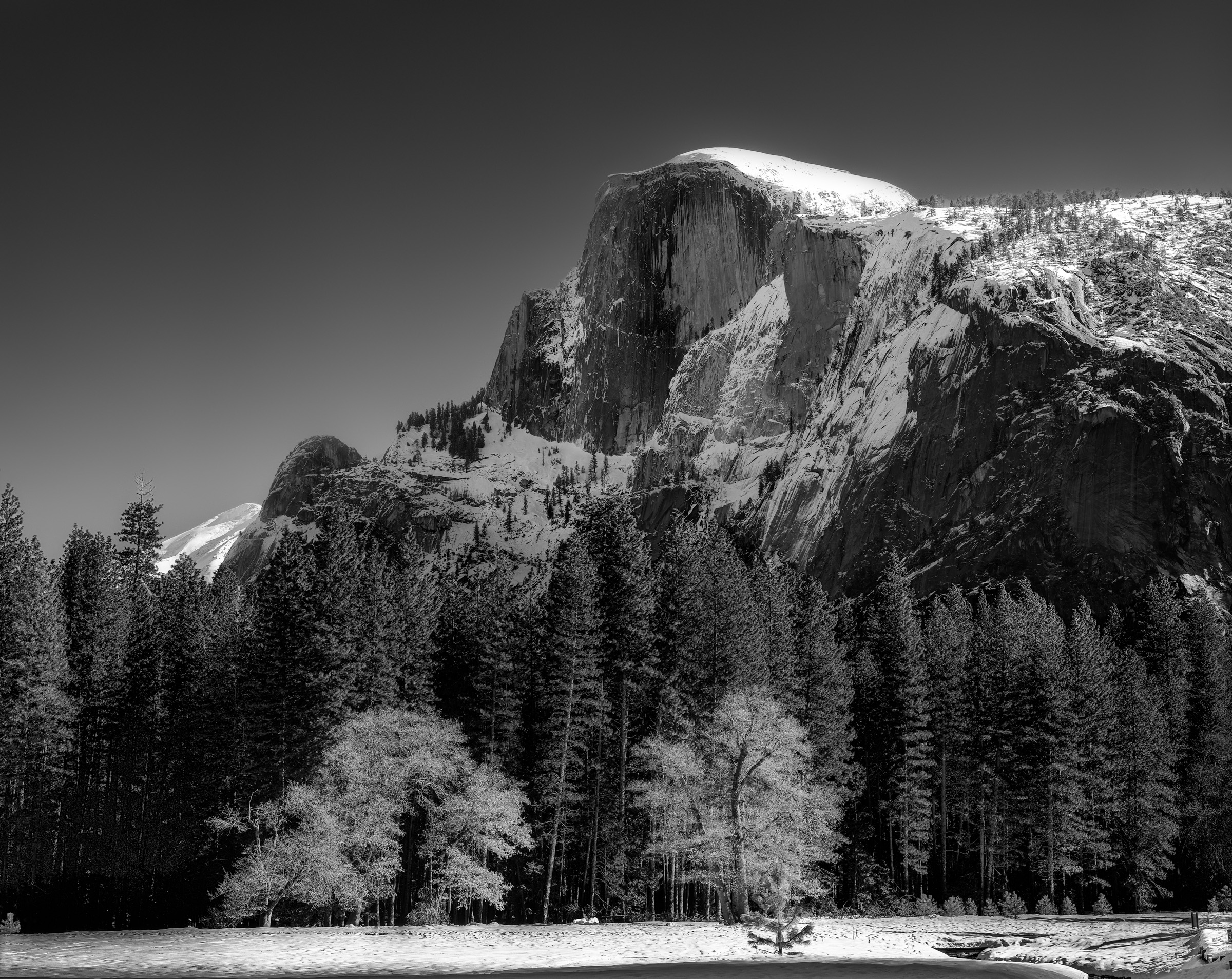
Ansel Adams did not photograph Half Dome. He built it — Zone System exposure planned before the shutter fired, hours of dodging and burning in the darkroom, an entire tonal world extracted from a scene that was, inconveniently, in colour. Nobody calls that cheating. It’s the textbook. It’s mastery.
Ask the harder question: would Behind the Gare Saint-Lazare be eligible to enter a street photography competition today? Composed blind, cropped after the fact to remove what the lens actually recorded — under most contemporary entry rules, it wouldn’t survive the first round. Now imagine an Ansel Adams landscape barred from a landscape competition, disqualified for the darkroom work that made it an Ansel Adams in the first place. We didn’t just forget that the founders broke the rules we now enforce in their name. We built the rules to exclude the very work that earned them the authority we still borrow.
So the line was never between manipulated and unmanipulated. It was between manipulation that took years to learn and manipulation that didn’t — between skill that was scarce and skill that AI just made abundant.
None of which makes ease its own virtue. Easier does not equal better. A phone camera and a generative model both lower the bar to produce an image — neither raises the bar on seeing. If anything, the flood of accessible tools has mostly given us more poorly seen images, not better ones. The craft was never really in the darkroom hours. It was in the eye that knew what was worth all those hours in the first place.
The panic isn’t about truth. It’s about status, about a craft’s gatekeepers watching the gate stop mattering.
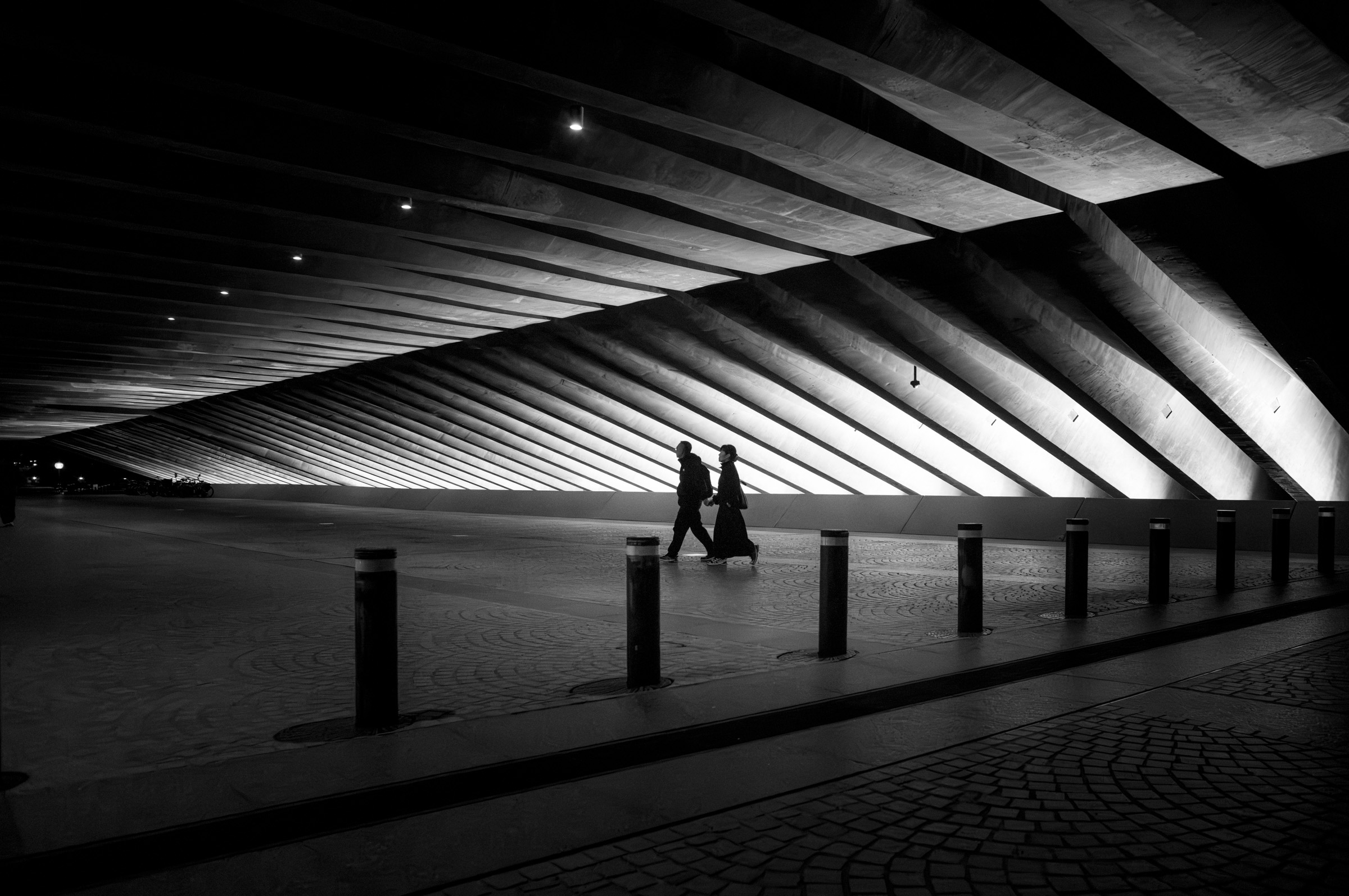
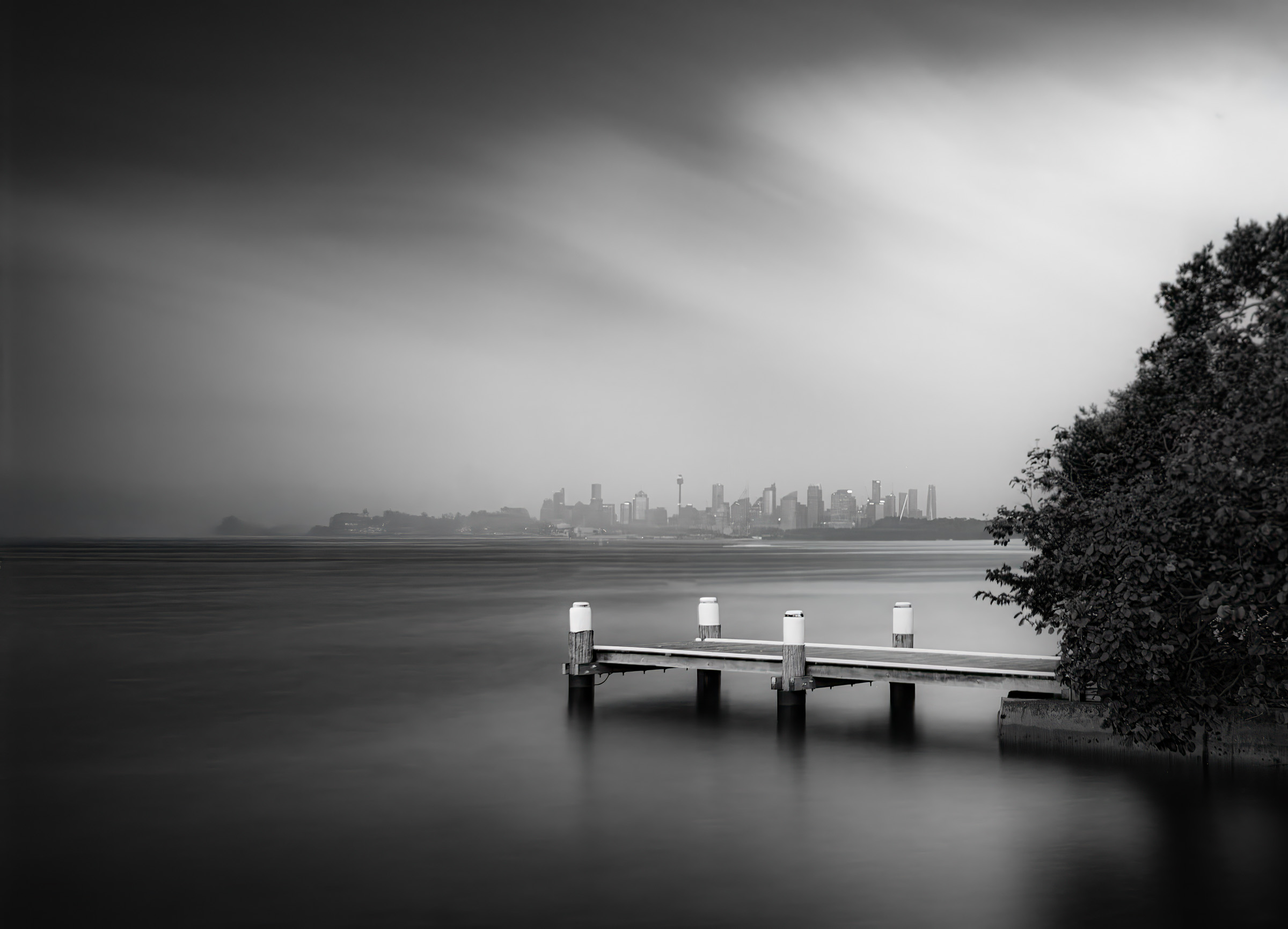
I’ll say the part that’s mine to say, not the industry’s: I don’t care whether the subject in front of me was real or invented. The image of Sydney Harbour on this page is heavily reworked in Photoshop, AI included. The image of Half Dome is no less constructed — Ansel Adams’ method, not his hand. Neither troubles me. One just admits it.
Because none of it — real or fake, hard-won or easy, camera or code — is actually the question that matters. Underneath the noise there’s exactly one thing worth asking of a creative photograph: what are you trying to say? Alfred Stieglitz called it equivalence, a century ago — photographs of clouds that were never about clouds, images whose meaning existed entirely apart from their subject. That’s the only test I still believe in. Not what’s real. Not what was hard to make. Whether it reaches something.
I have been trying to make images that reach somewhere since before I had a word for it — since I was eight years old. I’m still trying. I hope, one day, to get there.